Public Charge Rule Change: What You Need to Know (July 2026)
The government has announced an important change to the "public charge" rule, which affects how immigration officers look at the use of public benefits when someone applies for a green card. We have been receiving many questions about this at our office, so we want to explain clearly what is changing, what is not changing, and what you should keep in mind.
The new rule takes effect on September 18, 2026.
What Is the Public Charge Rule?
When someone applies for a green card or a visa, immigration law asks one question: is this person likely to depend on the government to support themselves in the future? If the answer is yes, the application can be denied. This is called the public charge ground of inadmissibility. It has been part of immigration law for a very long time. What changes from time to time is how officers make this decision and what information they can look at.
What Is Changing on September 18, 2026?
Under the current rule, officers can only consider a very short list of benefits: cash assistance programs like SSI and TANF, and long term care in an institution paid by the government. Programs like Medicaid, SNAP (food stamps), CHIP, and housing assistance are not considered at all.
Starting September 18, 2026, that short list goes away. Officers will be able to consider any government benefit based on income that the applicant receives on or after that date, including Medicaid, SNAP, CHIP, and housing assistance. Officers will also look at the whole picture of each case, including age, health, family situation, income, assets, education, and work skills.
Just as Important: What Is NOT Changing
There is a lot of fear and misinformation in the community right now. Please remember these four points, because they are just as important as the change itself.
1. Benefits you received in the past are protected. Benefits like Medicaid, SNAP, CHIP, or housing assistance that you received before September 18, 2026 will not be counted against you. The government confirmed this directly in the new rule. Only the old cash assistance categories apply to the past, the same as today.
2. Benefits your family members receive do not count against you. The rule only looks at benefits the applicant personally receives. If your US citizen children receive Medicaid or SNAP, that is not counted against your application. This has been one of the most common misunderstandings for years, and it is still not true.
3. Many applicants are exempt by law. Certain categories are protected from the public charge rule by law passed by Congress, and this did not change. This includes Special Immigrant Juveniles (SIJS), VAWA self petitioners, asylees and refugees, TPS applicants, and T and U visa applicants. If you are in one of these categories, the public charge rule does not apply to your application.
4. Receiving a benefit does not mean automatic denial. Even under the new rule, using a benefit is only one factor. The officer must weigh everything together, including your work history, income, and family support.
Things to Keep in Mind
Timing may matter for green card applications. Applications postmarked or filed online before September 18, 2026 will be decided under the current rule. Applications filed on or after that date will be decided under the new rule. If you are planning to apply for a green card and you personally receive benefits, talk to an immigration attorney about your timing as soon as possible.
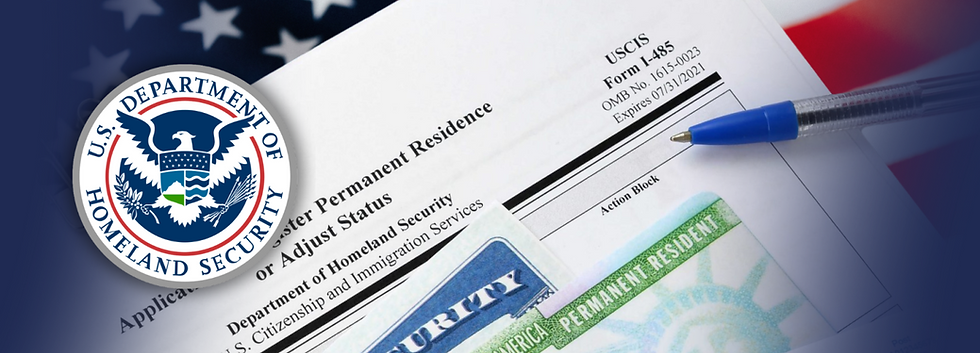
A new green card application form is coming. USCIS will publish a new version of Form I-485, the green card application. Starting September 18, 2026, the old version of the form will no longer be accepted. If you are preparing an application around that time, make sure the correct form version is used.
More guidance is expected. USCIS has said it will publish detailed guidance for its officers before the rule takes effect. Some practical details will become clearer in the coming weeks, and we will share updates as they come out.
Do not make quick decisions about your benefits out of fear. Some families are asking whether they should immediately stop their benefits. The answer depends on your specific situation, your immigration category, and your timeline. Dropping benefits that your family needs, based on fear rather than facts, can hurt your family without helping your case. Please get advice about your own situation before making changes.
Questions About Your Case?
Every case is different. If you receive benefits and you are planning to apply for a green card, or if you are simply not sure whether this rule applies to you, contact our office to schedule a consultation. We serve our community in English and Spanish.
This post is for general information only and is not legal advice. Every case is unique. Please consult a qualified immigration attorney about your specific situation.